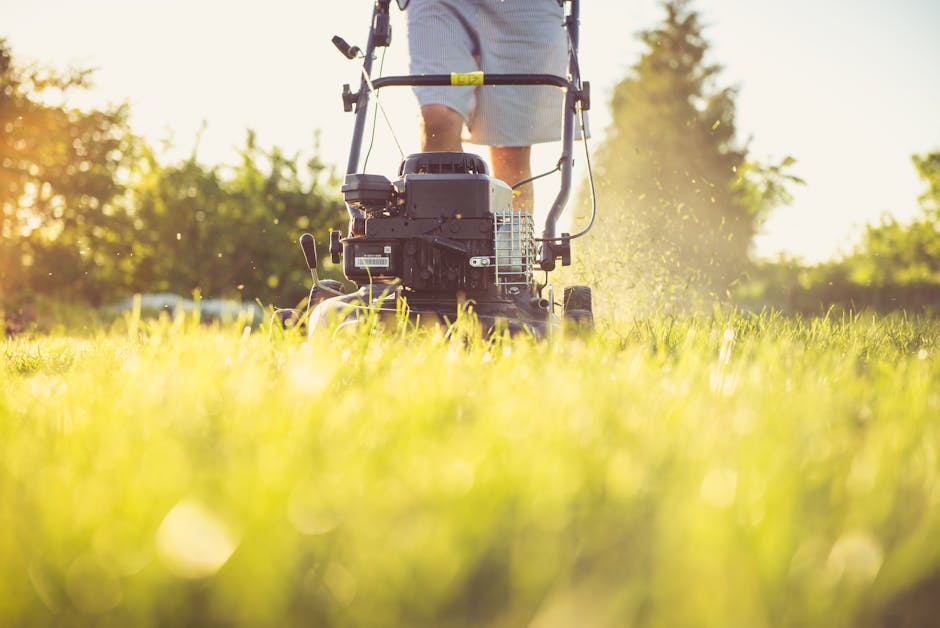
Spring 2026 Garden Checklist for Gardeners and Homeowners
Spring has a habit of making garden jobs feel urgent. One sunny Saturday and suddenly you can see every mossy patch, tangled border, and sorry-looking shrub in sharp detail. That's exactly why a Spring 2026 garden checklist for gardeners and homeowners is so useful: it turns a vague "must get the garden sorted" feeling into a clear, realistic plan.
Whether you manage a small back garden, a larger family plot, or a shared outdoor space, spring is the season where good decisions pay off quickly. A little preparation now can improve growth, reduce summer headaches, and make your garden easier to maintain right through the year. In this guide, you'll find a practical checklist, a step-by-step approach, common mistakes to avoid, and a few expert pointers that make the work simpler. Nothing fancy. Just the stuff that actually helps.
Why Spring 2026 garden checklist for gardeners and homeowners Matters
Spring is the point where a garden either starts the year on the front foot or spends the next few months playing catch-up. The difference is often a few sensible tasks done at the right time. A seasonal checklist helps you focus on the jobs that matter most: clearing winter debris, checking plant health, improving soil, and getting maintenance back into a steady rhythm.
For gardeners, it's about timing. For homeowners, it's about protecting the value, appearance, and usability of the outdoor space. Leaves left in damp corners can rot down into a sludgy mess. Gutters and drains can overflow after a heavy shower. Hedging and lawns can become harder to manage if you leave them too long. It sounds obvious, but spring is where small delays start to snowball.
There's also the practical side. A tidy, well-planned garden is easier to enjoy, easier to water, and easier to keep under control when the weather warms up. If you've ever spent a bank holiday dragging last year's cuttings out of a border while the weather turns, you'll know the feeling. Not ideal.
And let's be honest, spring also tends to reveal the hidden stuff. Broken edging, compacted soil, a fence line that needs attention, or a hedge that looked fine in January but now feels like it has taken over the path. A checklist gives those problems a home, instead of letting them become background stress.
How Spring 2026 garden checklist for gardeners and homeowners Works
The checklist works best when you think in layers rather than one giant "tidy up the garden" task. Start with safety and clearance, move into plant care, then finish with long-term improvement. That order matters because it stops you wasting effort on planting before you've dealt with drainage, access, or overcrowded areas.
A good spring plan usually includes five phases:
- Assess the garden after winter damage, wet weather, and any overgrowth.
- Clear and reset paths, beds, borders, and lawn areas.
- Prune, trim, and tidy plants, hedges, trees, and lawn edges.
- Improve growing conditions with soil care, feeding, mulch, and watering checks.
- Plan ahead for summer maintenance, storage, and any larger landscaping work.
If your garden has structural elements such as decking, retaining edges, or built-in landscaping features, spring is a sensible time to inspect them as well. You do not want to discover loose boards or shifting surfaces halfway through the first barbecue of the year. If you need help with larger outdoor improvements, pages like landscaping and landscape gardening can be useful starting points when you are planning the bigger picture.
For recurring upkeep, many homeowners prefer a rolling approach. That might mean a monthly or fortnightly rhythm for grass cutting, hedge care, and general bed maintenance. The right pace depends on your garden's size, shade levels, soil type, and how quickly things grow. Truth be told, some gardens seem to double in size after one wet week.
Key Benefits and Practical Advantages
A spring checklist does more than make the garden look neat. It creates better growing conditions and reduces avoidable problems later. Here are the main gains people usually notice.
- Better plant recovery after winter stress, especially where roots have sat in cold, wet soil.
- Cleaner, safer access around paths, patios, steps, and entrances.
- Less summer maintenance because jobs are tackled before growth really accelerates.
- Improved kerb appeal for homeowners thinking about visitors, rental presentation, or sale potential.
- More efficient gardening because you know what needs attention and what can wait.
There is also a quieter benefit that people sometimes overlook: confidence. Once the garden feels under control, you stop seeing it as a never-ending backlog. That changes how you use it. A space you enjoy tends to get looked after better, which sounds a bit circular, but it's true.
For larger or heavily overgrown gardens, spring is often the best time to decide whether you need a one-off reset. If a plot has built up debris, old growth, broken materials, or clutter from a busy winter, a proper garden clearance can save a huge amount of time before you begin regular maintenance.
Who This Is For and When It Makes Sense
This checklist is for anyone responsible for an outdoor space, but it is especially useful if you fall into one of these groups:
- Busy homeowners who want a simple, seasonal plan without overthinking it.
- New gardeners who need a sensible order of operations rather than guesswork.
- Experienced gardeners who want a spring refresh and a practical reminder of the key jobs.
- Landlords and property managers keeping outdoor areas presentable and safe.
- Families who want the garden usable again for play, dining, or entertaining.
It makes particular sense in early to mid-spring, when the worst of winter has eased but before growth gets too frantic. In a mild year, that window can arrive quickly. One week the borders look sleepy, the next they are already pushing up new shoots and the grass is asking for attention.
If you have hedges that block light, snag the path, or create a messy boundary line, spring is also a smart time to book or plan hedge trimming. The earlier you shape them, the easier they are to manage for the rest of the season.
Step-by-Step Guidance
Here is a practical way to work through your spring garden checklist without feeling overwhelmed. The idea is to build momentum. Start with the obvious stuff and finish with the detail work.
1. Walk the garden first
Before you touch a single tool, walk the whole space slowly. Look at the lawn, beds, borders, walls, fences, paths, drains, and any timber features. Make a quick note of what looks damaged, cluttered, uneven, or overgrown. This takes ten minutes and usually saves an hour later. Maybe more.
2. Remove winter debris
Clear away leaves, broken twigs, old plant ties, fallen pots, and any material that could harbour mould or pests. Pay attention to corners, behind bins, under shrubs, and along fence lines. These are the places people miss. They always are.
3. Check the lawn
Look for compacted areas, moss build-up, bare patches, and poor drainage. If the grass is ready, a light cut can help the lawn wake up neatly rather than being hacked back all at once. If the job feels too much, or the lawn has grown unevenly through winter, a regular lawn mowing service can keep it in shape while you tackle the rest of the garden.
4. Prune and shape where needed
Dead, diseased, or damaged stems should go first. After that, you can shape shrubs and hedging to encourage healthy new growth. Be careful not to strip plants back too hard just because they look untidy. Some spring growth is still tender and useful. Cut with purpose, not enthusiasm. That's a hard lesson, but a good one.
5. Inspect trees and larger woody growth
If branches are crossing, hanging low, or showing obvious dieback, take time to assess them properly. Some work is simple pruning; some needs a trained eye. For anything substantial, unsafe, or close to buildings, it may be wiser to explore tree lopping and removal rather than making a risky guess with a saw.
6. Refresh beds and borders
Remove weeds, loosen the top layer of soil where needed, and add compost or mulch to improve structure and moisture retention. Spring soil can be cold and patchy, so don't rush planting into tired ground without improving it first. A garden can look tidy and still be poor at growing things. That's one of those mildly annoying truths.
7. Tidy hard landscaping and access points
Check patios, stepping stones, edging, decking, and paths for slippery patches, movement, or wear. Small surface issues can become trip hazards if ignored. If you notice problems around timber structures or outdoor seating areas, it's worth reviewing decking services or general garden maintenance support before summer use ramps up.
8. Plan what stays and what goes
Spring is a good moment to decide whether an awkward area needs replanting, redesigning, or simplifying. If a border has become cluttered and awkward to maintain, a smaller number of well-chosen plants often works better than a crowded mix. Sometimes less really is more. Gardeners know this, even when we resist it.
Expert Tips for Better Results
A few practical habits can make a spring clean-up much more effective. They are simple, but they matter.
- Work from the edges inward. It keeps the garden readable and stops you missing boundary clutter.
- Deal with access first. Clear paths, gates, and steps before tackling decorative areas.
- Use weather windows wisely. A dry morning is often better than a long, damp afternoon for cleanup and pruning.
- Keep bags and piles separate. Green waste, woody waste, and reusable materials are easier to manage when sorted from the start.
- Don't overfeed too early. Plants often need space, water, and light more than a heavy dose of fertiliser.
In our experience, the best-looking spring gardens are not always the ones with the biggest planting job. They are the ones where the basic maintenance is consistent. A neat edge, a healthy lawn, and clear structure can do more than a handful of expensive plants ever will.
If you want to keep the garden under control after the initial tidy-up, a planned maintenance routine is usually the most realistic approach. It's not glamorous. But it works.
Common Mistakes to Avoid
Spring enthusiasm is useful, but it can also lead to a few classic errors. Some are harmless, some are costly.
- Cutting everything back too early. Some plants benefit from a gentler wait until frosts are less likely.
- Ignoring drainage issues. If water is pooling now, it will usually be worse after a heavy spring shower.
- Letting debris sit too long. Piles of wet matter quickly become awkward, heavy, and unpleasant.
- Forgetting the structure of the garden. A tidy bed is only half the story if paths, edges, and access points are messy.
- Trying to do all jobs in one day. That's a fast route to sore shoulders and a half-finished garden.
There's also the "looks fine from the kitchen window" mistake. From ten feet away, many gardens can seem okay. Walk around the whole space. You'll notice the uneven hedge, the cracked path edge, the patch of lawn that never dries. That closer look is worth it.
Tools, Resources and Recommendations
You do not need a shed full of specialist kit to follow a good spring checklist. The essentials are usually enough, provided they are in decent condition.
| Tool or Resource | Best For | Why It Helps |
|---|---|---|
| Gloves | General clearance and pruning | Protects hands from thorns, splinters, and rough debris |
| Secateurs | Small stems and precise pruning | Cleaner cuts and better control |
| Rake | Leaves, moss, and surface debris | Useful for lawn and border cleanup |
| Spade or border fork | Soil improvement and edging | Helps loosen compacted areas and shape beds |
| Wheelbarrow or garden bags | Waste handling | Makes clearance quicker and safer |
| Professional garden support | Regular upkeep or bigger jobs | Useful when time, access, or scale become an issue |
For homeowners wanting to understand what a service-based approach might involve, pages like pricing and quotes and recycling and sustainability can help frame expectations around waste handling and service planning. You can also review insurance and safety if you are comparing professional help for larger, riskier tasks.
One practical note: if you are planning several jobs at once, it often makes sense to separate the "clear it", "fix it", and "maintain it" stages. That keeps the work manageable and avoids redoing the same area twice.
Law, Compliance, Standards, or Best Practice
For most domestic gardens, spring preparation is straightforward. Even so, there are sensible UK best-practice considerations to keep in mind. If you are cutting back hedges or trees near boundaries, footpaths, or structures, it is wise to think about safety first and to avoid creating hazards for neighbours or passers-by.
Where waste is involved, use responsible disposal methods rather than leaving piles to rot in place indefinitely. If you are hiring help, check that the work is covered appropriately and that safety is treated seriously. Good practice usually includes clear communication, sensible equipment use, and proper handling of green waste and sharp materials.
If you are near shared access routes, communal areas, or a managed property, it can also be useful to agree in advance what gets cleared, what gets retained, and where waste should go. That sounds basic, but it prevents the usual post-job surprises. Nobody wants that awkward moment where the pile of branches is exactly where someone needed to walk.
For service decisions, a cautious approach is best: choose people who explain the work clearly, answer questions directly, and do not promise the impossible. That's just good sense, really.
Options, Methods, or Comparison Table
There are a few ways to approach a spring garden reset. The right one depends on your time, the size of the space, and how much work has built up. Here's a simple comparison.
| Approach | Best For | Pros | Limits |
|---|---|---|---|
| DIY weekend reset | Small to medium gardens with light seasonal buildup | Low cost, flexible timing, hands-on control | Can be tiring; easy to underestimate the workload |
| Split approach | Busy households wanting progress without overload | Spread out over several sessions; easier to manage | Requires a bit of planning and discipline |
| Professional support for specific jobs | Heavier maintenance, larger gardens, awkward hedging, tree work, or clearance | Efficient, safer for difficult tasks, good for stubborn jobs | Usually more expensive than DIY |
| Full garden refresh | Overgrown or neglected spaces | Creates a proper reset and a clean start for the year | Needs more time, planning, and often specialist help |
For many homeowners, a mixed method is the sweet spot. Do the light jobs yourself, then bring in help for the awkward or physically demanding parts. It's not a failure to outsource the hard stuff. It's just sensible.
Case Study or Real-World Example
Here's a realistic spring scenario. A homeowner with a medium-sized urban garden notices that the lawn is patchy, the hedge has pushed out too far, and the back corner is full of wet, broken branches from winter wind. Nothing dramatic, just enough to make the whole space feel tired.
Instead of trying to sort everything in one go, they break the work into three sessions. First, they clear the debris and check access routes. Next, they trim the hedge and cut back overgrown edges. Finally, they mow the lawn, improve the borders, and remove the leftover waste.
The result is not a magazine garden. It's better than that in a way, because it is usable. The path feels wider. The lawn looks intentional. The whole place smells faintly of cut grass and damp soil, which, to be fair, is the smell of a garden getting its life back. That's the goal for most people: not perfection, just a garden that works again.
If the same garden had been left until midsummer, the hedge would have been harder to manage, the lawn more stressed, and the cleanup more frustrating. Spring made the difference. Simple as that.
Practical Checklist
Use this as your spring 2026 garden checklist. Print it, save it, scribble on it, do whatever works. The point is to make action easier.
- Walk the garden and note damage, clutter, overgrowth, and drainage problems.
- Clear leaves, twigs, dead plants, and winter debris from borders and corners.
- Check paths, steps, patios, decking, and access routes for trip hazards.
- Inspect the lawn for moss, bare patches, compaction, and uneven growth.
- Mow lightly if the grass is ready, rather than cutting too hard too soon.
- Trim hedges and shrubs with a clear shape in mind.
- Review trees for unsafe, damaged, or crossing branches.
- Weed beds and borders before new growth makes access harder.
- Loosen compacted soil where needed and top up with compost or mulch.
- Check plant supports, ties, pots, and edging for wear or instability.
- Separate green waste, woody waste, and reusable materials.
- Plan regular maintenance so the garden doesn't slide back by May.
Expert summary: the best spring checklist is the one you can actually finish. Start with what affects safety and access, then move to plant care, then improvement work. That order keeps the garden easier to maintain all season.
Get a free quote today and see how much you can save.
Conclusion
A good spring garden checklist is less about chasing perfection and more about creating momentum. Once the winter mess is cleared, the lawn is tidied, the hedges are shaped, and the borders are reset, everything else becomes easier. You spend less time firefighting and more time actually enjoying the garden.
For gardeners, spring is the season to set standards. For homeowners, it is the season to make the outdoor space feel cared for again. And if that means tackling the obvious jobs first and leaving the fancy ideas for later, so be it. That is often the smartest route anyway.
Take it one section at a time, keep your eye on the practical stuff, and don't be afraid to ask for help with the bigger or riskier tasks. A well-prepared spring garden has a way of paying you back all year. Quietly, steadily, and without much fuss. Which is exactly how the best gardens tend to work.
Frequently Asked Questions
What should be on a spring garden checklist for 2026?
Start with winter debris removal, lawn checks, hedge trimming, pruning, border cleanup, soil improvement, and inspections of paths, decking, fences, and trees. Then add any seasonal planting or maintenance tasks that fit your garden's condition.
When is the best time to start spring garden preparation in the UK?
Early to mid-spring is usually the most practical window, once the worst winter weather has eased. That said, the right timing depends on your local conditions and what your garden actually needs. Some jobs can start earlier than others.
Should I mow the lawn before or after I tidy the borders?
Usually after the borders have been cleared. That way, you are not scattering debris back onto a freshly cut lawn. A quick tidy first makes the mowing cleaner and less frustrating.
Is hedge trimming a spring job?
Yes, for many hedges it is a sensible spring task, especially if they have become untidy or are blocking light and access. Just be careful not to overcut plants that are still coming into active growth.
What garden jobs are best left to professionals?
Tree work, large-scale clearance, awkward hedging, heavy waste removal, and larger landscaping tasks are often better handled professionally. If there is risk, height, or a lot of material involved, specialist help can be the safer choice.
How do I know if my garden needs a full clearance rather than simple tidy-up?
If you cannot reach the beds properly, if there is a lot of old material mixed with rubbish, or if growth has become genuinely overgrown, a full garden clearance is often the more efficient option. It gives you a cleaner starting point.
Do I need to check decking and hard surfaces in spring?
Yes, especially after winter rain and frost. Look for slippery patches, loose edges, movement, or visible wear. Small issues are much easier to deal with before the garden gets busy in late spring and summer.
What is the biggest mistake people make with spring garden maintenance?
Trying to do too much at once and rushing the pruning. A better approach is to work in stages and focus on the jobs that improve safety, structure, and plant health first. The rest can follow.
How often should a garden be maintained after spring cleanup?
That depends on the size and pace of growth, but many gardens benefit from regular weekly or fortnightly upkeep through spring and summer. Lawns, hedges, and fast-growing borders usually need the most attention.
Can spring maintenance help improve kerb appeal?
Absolutely. A tidy lawn, clean borders, well-shaped hedges, and clear access points make a noticeable difference. You do not need a complete redesign for the garden to look much better. Often, it's the basics that transform it.
What should I do if I'm not sure where to start?
Begin with a slow walk around the garden and list the obvious problems: debris, overgrowth, unsafe areas, and anything that affects access. Then work through the list in that order. If it still feels overwhelming, start with a smaller section and build from there.
Where can I get help with ongoing garden upkeep?
If you want support with regular care, hedging, mowing, or bigger seasonal work, explore the relevant service pages and use the contact options on the site. A simple conversation often clears up what needs doing far faster than trying to second-guess it alone.