
Health and Safety Policy for Gardeners Gardening
This document sets out the Health and Safety Policy for people engaged in gardeners gardening and associated green-space work. It describes commitments and practical measures to protect staff, contractors, visitors and the public while carrying out gardening services, garden maintenance safety tasks and landscape operations. The aim is to promote a culture of safety across all gardening activities and to ensure that every gardener and grounds worker understands their role in preventing harm, conserving wellbeing and maintaining safe working environments.Scope and Purpose
The policy applies to all duties relating to gardening services, whether routine garden maintenance, seasonal planting, tree and shrub care, or specialized groundskeeping. It covers risk identification, safe systems of work, provision of personal protective equipment, training and supervision. The policy is intended to be adaptable to different sites and tasks without prescribing local legal detail; instead it provides a clear framework for consistent gardener safety practice and responsible decision-making in day-to-day garden work.
Responsibilities and Roles
Everyone involved in gardening operations has a role. Managers and supervisors are responsible for implementing the policy, ensuring resources for safe gardening practices, and providing training. Individual gardeners are expected to follow safe work procedures, report hazards, and use protective equipment. Contractors and third-party gardening services must align with these standards. Key responsibilities include hazard reporting, following safe lifting techniques, and ensuring plant and chemical handling is performed with care.The policy begins with a commitment to ongoing risk assessment. Routine site risk assessments for garden maintenance safety should be carried out, recorded and reviewed when conditions change. Typical hazards to consider include manual handling, slips and trips, exposure to chemicals, machinery and equipment hazards, sharp tools, biohazards such as fungi or animal waste, and weather-related risks like heat or cold exposure. A proactive approach to risk control reduces incidents and supports efficient gardener operations.
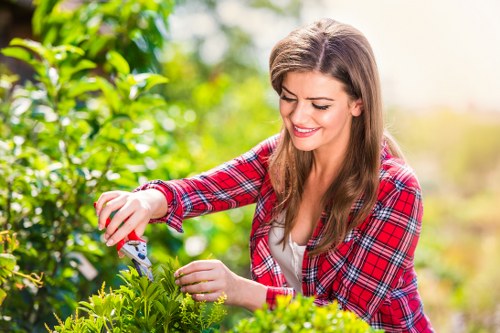 Control measures include engineering, administrative and personal protection. Engineering controls cover machine guards and safe equipment selection; administrative controls include safe working procedures, task rotation and clear communication protocols; personal protection encompasses gloves, eye protection, hearing protection and suitable footwear. Training is central—regular, recorded instruction in plant handling, tool use and emergency response keeps gardening teams competent and confident.
Safe use of tools and powered equipment is a priority for any gardening enterprise. Equipment inspection checklists should be used before each shift and faulty items withdrawn from service. Operators must be trained and, where applicable, certified to use powered mowers, chainsaws, hedge trimmers and other machinery. Permit-to-work or supervised-use systems are recommended for higher-risk tasks such as working at height or using high-powered cutting tools.
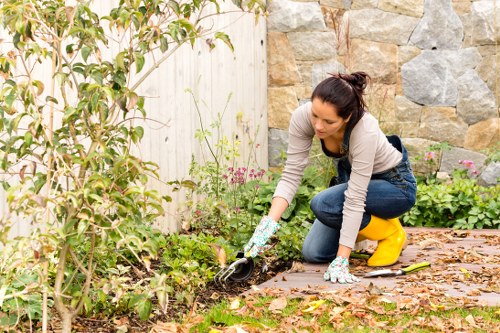 Manual handling and ergonomics must be actively managed to prevent musculoskeletal injury. Use mechanical aids where possible, adopt good lifting technique, and plan tasks to avoid repetitive strain. Encourage short breaks and task variety to limit fatigue. Young or new gardeners should be assigned low-risk tasks until they have demonstrated competence under supervision.
Chemical safety and biological hazards require clear controls. Store fertilizers, pesticides and other chemicals securely in labeled containers; provide information on safe handling and ensure appropriate PPE is available. Biological hazards such as soil-borne pathogens, insect stings and animal faeces should be managed through hygiene practices, vaccinations when recommended, and the use of gloves and protective clothing. Maintain an up-to-date inventory of substances and ensure material information is accessible.
 Emergencies, first aid and incident reporting are essential elements of the gardeners' safety framework. First aid kits should be readily accessible and personnel trained to provide care. Establish straightforward incident reporting procedures that promote learning and timely corrective action. Investigate significant events, record findings and apply changes to reduce future risk. Emphasize a non-punitive reporting culture so hazards and near-misses are reported without fear.
Environmental stewardship is integrated with health and safety. Practices that reduce chemical use, protect biodiversity and prevent pollution also reduce risk to workers and the public. Plan waste disposal, safe storage and spill response to minimize environmental and health impacts. Encourage sustainable gardening methods that support safety, such as mulching to reduce manual weed clearance and selecting lower-maintenance planting schemes.
Monitoring, review and continuous improvement underpin the policy. Regular audits, toolbox talks and staff meetings help track performance against safety objectives. Use simple performance indicators—such as training completion rates, number of reported near-misses and maintenance checks performed—to keep improvement efforts focused. Regular review ensures that the gardener safety policy stays current with operational changes, new equipment and evolving hazards.
Conclusion: This health and safety policy for gardeners gardening establishes a clear, practical framework to protect workers, the public and the environment. It relies on leadership commitment, effective risk controls, competent people and a culture of reporting and improvement. By embedding these principles into everyday gardening services and garden maintenance safety routines, organisations and individuals can deliver high-quality, safe green-space work with confidence and care.
