Recycling and Sustainability at Gardeners Gardening
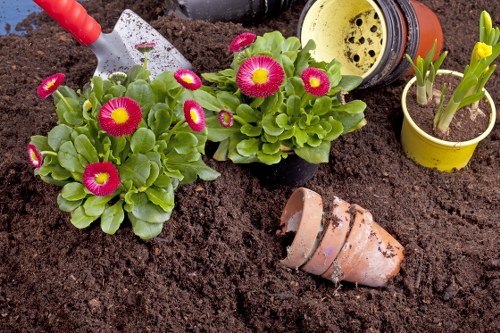 Gardeners Gardening is committed to making green spaces greener through a practical, measurable approach to recycling and sustainability. Our mission is to reduce waste, reinvest resources into local soils and community projects, and meet a clear recycling percentage target: 70% of all collected material diverted from landfill by 2030. That target drives our choices about transport, partnerships and day-to-day site operations, and it sits at the heart of our gardeners' recycling and sustainable landscaping work.
We align our practices with the way local boroughs approach waste separation, where separate streams for glass, paper, food waste and green waste are common. By respecting these local systems we improve sorting at source and reduce contamination. Sorting properly—using the council bins and caddies typical across boroughs—means more material can go to composting, anaerobic digestion or traditional recycling streams. Community-level compliance with those separation rules is essential for a successful circular garden economy.
 In daily operations we rely on local transfer stations and borough transfer hubs to move material efficiently. Our teams use contracted local transfer stations and community recycling centres for green waste, wood, soil and mixed recycling. We also work with municipal facilities for bulky green waste and wood chipping so that woody prunings can become mulch, and food or garden wastes can be routed to composting or energy recovery rather than landfill. Our recycling activities include:
- Green waste composting and reuse as soil improver
- Wood chipping for mulch and biomass
- Separation of plastics, glass and metals for municipal recycling streams
Partnerships with charities form a central strand of our sustainability work. We donate surplus plants, usable pots, and excess soil to community gardens, charities that run allotments and local food-growing projects, and social enterprises focused on urban greening. These collaborations reduce waste, support local food resilience and ensure materials continue to provide value. Charitable redistribution also means fewer trips to disposal facilities and stronger ties between Gardeners Gardening and the communities we serve.

Low-carbon vans and responsible logistics
Our fleet is transitioning to low-carbon vans—electric models for inner-borough work and hybrid units for longer or mixed-route jobs. Route optimisation software reduces mileage and idling, cutting emissions and ensuring efficient transfers of materials to transfer stations or partner charities. We track emissions per job and report improvements; the shift to low-emission vehicles is a measurable step toward our recycling and sustainability goals. Reduced fuel use helps us meet both climate and waste targets.Gardeners Gardening also supports borough and municipal initiatives to improve household separation. We coordinate with local councils to match collection days, advising clients on curbside separation where permitted and ensuring our on-site sorting mirrors council requirements. Working within borough frameworks maximises the proportion of materials that can be recycled or composted, helping us approach the 70% diversion target while maintaining regulatory compliance.
Training and operational standards are essential for a successful recycling & sustainability program. Our crews receive regular instruction on waste streams, contamination avoidance and best practice handling for soil, plant material and containers. This reduces cross-contamination and improves quality for the transfer stations and municipal recyclers we rely on. High-quality source separation increases the value of diverted material and reduces the need for additional processing.
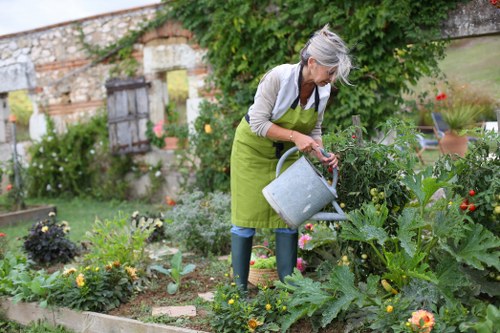 We measure progress with clear metrics: tonnage diverted, recycling rate per month, emissions saved through low-carbon vans, and the amount of material redistributed to charities. Our regular reports—shared internally and with partner councils—help us refine routes, adjust collections and expand partnerships. We also host seasonal community collection days to recover bulky garden waste that might otherwise be landfilled, channeling that material into composting and woodchip production instead.
 In summary, Gardeners Gardening's approach to recycling and sustainability is practical, locally integrated and performance-driven. By combining a firm recycling percentage target, collaboration with local transfer stations, meaningful partnerships with charities, and a transition to low-carbon vans, we create a resilient, circular model for urban landscaping. Our ongoing commitment to sustainable gardening and gardeners' recycling initiatives keeps materials in use, supports community projects and reduces environmental impact—delivering greener gardens and a stronger local resource economy.
