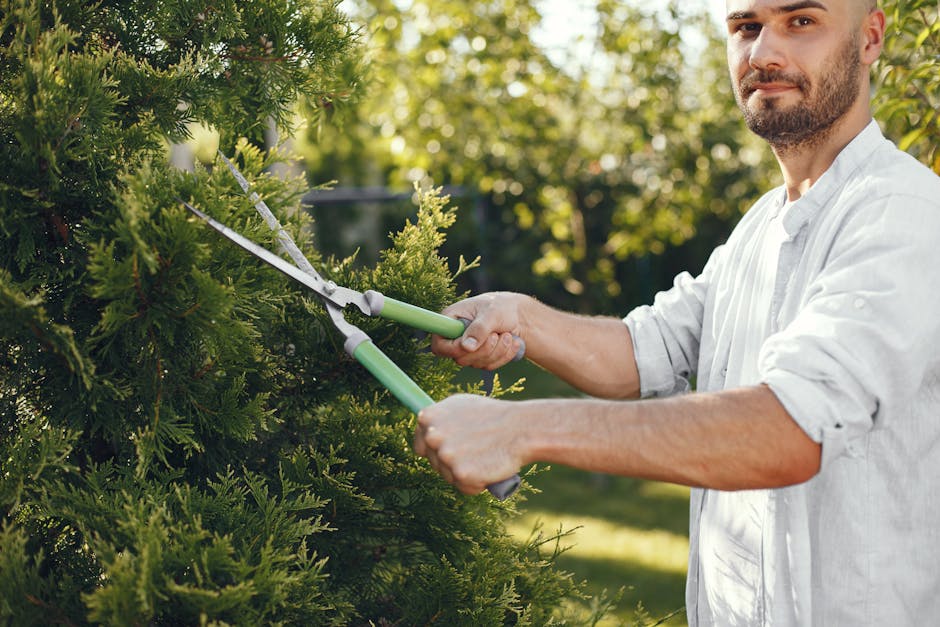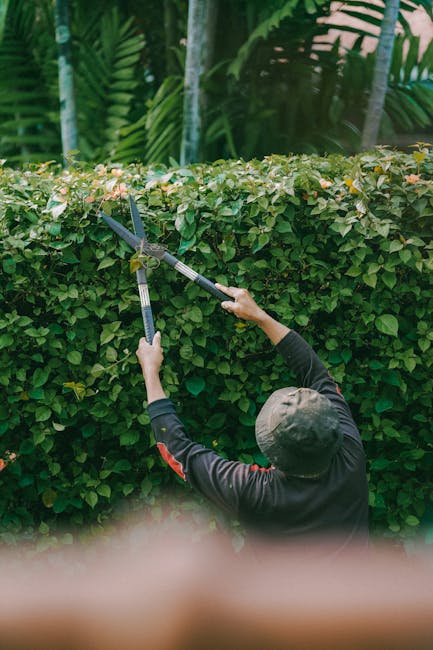
DIY vs professional gardeners when to hire a pro: how to make the right call for your garden
There comes a point in almost every garden where the question stops being, "Can I do this myself?" and becomes, "Should I?" That is really the heart of DIY vs professional gardeners when to hire a pro. Some jobs are perfectly manageable with a decent pair of gloves, a weekend, and a bit of patience. Others are messy, risky, time-consuming, or simply more technical than they first look. Truth be told, a neat-looking border can hide a very awkward root system, and a "quick trim" can turn into a bigger job by tea time.
This guide walks you through the practical differences between DIY gardening and bringing in a professional gardener, so you can judge when it makes sense to save money and when it makes sense to save your back, your time, and possibly a few headaches. You will find a clear comparison, step-by-step decision-making advice, common mistakes, and a realistic checklist for choosing the right route.
Why DIY vs professional gardeners when to hire a pro Matters
Garden work looks straightforward until you are halfway through it. A hedge that seemed a bit untidy can take longer than expected. A patch of lawn can reveal compacted soil, moss, and drainage issues. A clearance job can fill a whole afternoon with green waste, sharp offcuts, and that one stubborn branch that refuses to move. Choosing between DIY and a professional gardener matters because the wrong choice costs you in one of four ways: time, money, safety, or results.
If you enjoy outdoor work, DIY can be satisfying. You get control, flexibility, and the simple pleasure of making progress with your own hands. But professional gardeners bring speed, experience, the right tools, and an eye for what is likely to go wrong before it does. That matters especially in larger gardens, heavily overgrown spaces, or jobs involving height, heavy lifting, or specialist knowledge.
There is also a hidden cost to the wrong DIY choice. A person may spend two weekends trying to tackle what a trained gardener could complete in a fraction of the time. Or they might prune the wrong part of a shrub and spend the next season wondering why it looks patchy. Been there, or at least many homeowners have. The lesson is simple enough: not every task deserves the same level of effort.
If you are considering wider garden work such as garden maintenance, lawn mowing, or even a full garden clearance, it helps to decide early whether the job is a tidy Saturday project or something better handed to someone with proper kit and experience.
How DIY vs professional gardeners when to hire a pro Works
The decision is usually less about pride and more about scope. DIY gardening works best when the task is low-risk, visually straightforward, and within your current skill level. Think light weeding, potting, deadheading, mowing a manageable lawn, or cutting back soft growth with hand tools. You can stop, assess, and continue later without too much penalty.
Professional gardening becomes the smarter choice when the work is physically demanding, technically specific, or potentially hazardous. That includes overgrown hedges, awkward slopes, tree work, structural landscaping, or jobs where access is tight and waste removal is a pain. Professional gardeners also tend to approach the garden as a system rather than a single task. They notice drainage, light, soil condition, plant health, and how the space will actually be used.
In practice, many homeowners land somewhere in the middle. They keep up with light DIY jobs through the week and bring in help for larger seasonal tasks. That hybrid approach is often the sweet spot. You stay involved without trying to do everything yourself, which is a good balance, really.
A good rule of thumb: if you can clearly describe the job, have the tools, know the likely risks, and can finish it in a reasonable timeframe, DIY may be fine. If any of those pieces are missing, professional help starts to make more sense.
Key Benefits and Practical Advantages
DIY has obvious appeal. It can be cheaper upfront, gives you control over timing, and lets you work at your own pace. You can focus on exactly the bits you care about, whether that is a front border, a few raised beds, or a tidy weekend mow. For some people, that hands-on process is part of the enjoyment.
Hiring a professional gardener brings a different set of advantages. Here are the ones that usually matter most:
- Speed: Experienced gardeners can complete jobs much faster because they know the sequence, the tools, and the shortcuts that are not really shortcuts at all, just good practice.
- Better finish: A pro is more likely to leave the space balanced, clean, and properly shaped rather than simply "done".
- Reduced risk: Heavy lifting, ladders, cutting tools, and awkward roots can all create avoidable hazards.
- More than one skill set: Some jobs blend maintenance with layout, planting, drainage, or hard landscaping.
- Waste handling: Green waste, branches, soil, and old decking materials can become a logistical nuisance very quickly.
- Long-term value: A professional approach often prevents repeat problems, especially if the garden is being reshaped rather than just tidied.
There is also a less visible advantage: peace of mind. You do not spend Sunday evening looking at the sky, wondering whether that hedge is actually straight. Or whether you have removed the right bit. That sounds small, but it matters.
For work such as hedge trimming, tree lopping and removal, or more involved landscaping, professional input often pays for itself through safer execution and a cleaner end result. If the job also needs design sense, landscape gardening can be especially useful because it blends practical build work with how the space should actually function.
Who This Is For and When It Makes Sense
This decision is relevant to almost anyone with a garden, but different readers need different answers.
DIY is usually a good fit if you:
- have a small to medium garden
- enjoy regular hands-on maintenance
- have a reasonable tool set already
- are dealing with light, routine tasks
- have time to work slowly and safely
Hiring a professional gardener makes more sense if you:
- have limited time or mobility
- are dealing with an overgrown or neglected space
- need specialist work such as tree reduction or structural changes
- want a neat, consistent finish rather than a rough reset
- are planning a garden transformation, not just a tidy-up
It also makes sense for people who are in that awkward middle ground. Perhaps you can mow and weed happily, but the hedge has grown into a shape only a ladder could love. Or maybe the front garden has become a little wild, and you want it back under control without turning your next two weekends into a minor siege.
Families often choose a mixed approach. Keep the easy jobs in-house and bring in help for the heavy stuff. Retired homeowners, busy commuters, landlords, and anyone preparing a property for sale all tend to benefit from professional support at least some of the time. That is not a sign of failure. It is just sensible.
Step-by-Step Guidance
Here is a practical way to decide whether to do the work yourself or hire a gardener. Not glamorous, perhaps, but it works.
- Define the job clearly. Is it mowing, pruning, clearance, planting, hard landscaping, or a full refresh? Be specific.
- Estimate the scale. One border is very different from a whole garden that has been left for six months.
- Check the risk. Consider height, sharp tools, heavy materials, awkward access, hidden cables, or unstable surfaces.
- Look at your tools. Do you already have what you need, and are they suitable for the job?
- Be honest about time. If a task will take several evenings and you only have one free afternoon, that matters.
- Think about the finish you want. A basic tidy-up and a polished garden are not the same thing.
- Consider waste. If the job creates a lot of clippings or rubble, you need a plan for removal.
- Decide on the best route. DIY for smaller, safer jobs; professional help for complex, risky, or time-sensitive work.
A useful shortcut is to ask yourself one blunt question: if this goes wrong, how expensive or stressful is it to fix? If the answer is "quite a lot", then it may be worth bringing in a pro first.
For example, a simple lawn tidy is usually manageable. A complete reset involving lawn mowing, border clearing, and removal of heavy waste is a different beast. And if you are thinking beyond maintenance into new layouts or materials, such as decking services, the case for a professional becomes stronger still.
Expert Tips for Better Results
In our experience, the best gardening decisions are rarely about "DIY or pro" in the abstract. They are about matching the task to the right level of skill and equipment. A few practical tips help a lot:
- Start small if you are unsure. Test your own confidence on a minor task before taking on a larger one.
- Do the boring prep first. Clear the area, gather tools, and check what needs to be moved before cutting anything.
- Prune with restraint. You can always take more off, which is annoying advice but true.
- Work with the season. Some jobs are easier and healthier for plants at certain times of year.
- Protect the finish. A tidy edge, swept path, or raked bed makes the garden feel cared for straight away.
- Think in zones. Do one area properly before moving on to the next, rather than scattering effort everywhere.
A small but important tip: if you are tackling an area that has been neglected, do not try to finish every single thing in one go. That is how people end up tired, frustrated, and staring at a half-done pile of branches at dusk. Pace matters.
Professionals also tend to make better decisions around sequencing. For instance, it is usually smarter to clear and assess first, then prune, then plant or reshape. That order avoids wasted effort and prevents you from fixing one problem only to create another.
Common Mistakes to Avoid
The biggest mistake is underestimating the job. It happens all the time. A garden looks manageable from the patio, then suddenly you are knee-deep in brambles, compost, and oddly heavy sacks of cuttings.
Other common mistakes include:
- Using the wrong tools: blunt shears, undersized mowers, or a ladder that is not suitable for the ground.
- Cutting too much too quickly: this can stress plants and leave the garden looking patchy.
- Ignoring disposal: waste piles up fast and can turn a tidy job into a transport problem.
- Skipping safety checks: hidden stones, slippery steps, damaged cables, and unstable branches are easy to miss.
- Taking on specialist work too early: tree work and structural changes are not ideal "learn as you go" projects.
- Chasing cheap over right: the lowest upfront cost is not always the lowest real cost.
A quieter mistake is overconfidence. Gardening is forgiving in many ways, but not always. One poor cut can affect shape for months. One awkward lift can hurt your back for days. Sometimes the wiser move is to stop, have a cup of tea, and call someone who does this every week.
Tools, Resources and Recommendations
You do not need a huge kit for everyday garden upkeep, but the right basics matter. For DIY, a reasonable starting set usually includes gloves, secateurs, a hand fork, a trowel, a rake, a lawn mower if you have grass, and a sturdy pair of loppers or shears for light pruning. If you are working around rough edges or old growth, add eye protection and sensible footwear. Nothing fancy. Just practical.
For bigger jobs, professional gardeners rely on more capable equipment and, just as importantly, judgement. That may include hedge cutters, commercial mowers, ladders, lifting equipment, clearance tools, and waste bags or transport. The equipment itself is only part of the equation. Knowing how and when to use it is the real difference.
If your garden is cluttered or overdue a seasonal reset, a professional garden clearance service can save a huge amount of effort. If the space needs ongoing upkeep rather than a one-off tidy, garden maintenance is often the more sustainable route. And if your project involves materials, structure, or layout, you may want to look at landscape gardening rather than simple cosmetic work.
One more practical recommendation: before you start any major job, photograph the garden as it is. It helps you see progress, make decisions, and avoid a bit of wishful thinking. Also, it is oddly motivating when the "before" looks like a small wilderness and the "after" finally behaves itself.
Law, Compliance, Standards and Best Practice
For most home gardeners, the main compliance concerns are safety and responsibility rather than complex paperwork. That said, there are a few sensible standards to keep in mind. If you are using power tools, working at height, handling heavy waste, or carrying out tree-related work, caution is essential. In the UK, homeowners and gardeners generally need to take reasonable care to avoid injury and prevent damage to property, both their own and anyone else's.
Professional gardeners should also operate with proper insurance and safe working practices. That includes using equipment appropriately, managing risks, and being clear about what is and is not included in the job. If you are hiring someone, it is entirely fair to ask about insurance and safety practices, especially for larger or more technical work.
For projects involving waste, materials should be handled responsibly. A company's recycling and sustainability approach can matter more than people realise, particularly after a big clearance or landscaping project. Good practice usually means separating reusable material where possible, disposing of green waste properly, and avoiding needless landfill where a better option exists.
If you are unsure about the exact scope of work, clear terms matter too. It helps to read terms and conditions and understand how pricing, scope, and payment are handled. That is not being difficult. It is just sensible. Same for payment and security, especially if any deposit or staged payment is involved.
Options and Comparison Table
Sometimes the easiest way to decide is to compare the practical realities side by side. Here is a straightforward view of the main options.
| Approach | Best for | Strengths | Limitations |
|---|---|---|---|
| DIY gardening | Routine tasks, small gardens, budget-conscious homeowners | Lower upfront cost, flexible timing, personal control | Slower, tool-dependent, more risk with larger or technical jobs |
| Hiring a professional gardener | Overgrown gardens, time-sensitive work, specialist tasks | Faster, safer, cleaner finish, better judgement on complex jobs | Higher upfront cost, requires clear brief and trust in provider |
| Hybrid approach | Most homeowners with regular upkeep plus occasional bigger jobs | Balanced cost and convenience, sustainable long term | Needs a clear plan so tasks do not get duplicated or neglected |
The hybrid approach is often the smartest. You handle the weekly or monthly basics, and a professional steps in for the difficult stuff. To be fair, that is probably how a lot of people quietly manage their gardens already. No drama, just a workable rhythm.
Case Study or Real-World Example
Picture a typical semi-detached garden in a London terrace setting: the lawn has gone a bit shaggy, the hedge is leaning out over the path, and the back corner has become home to a collection of old pots, broken canes, and one mystery bag that nobody wants to open. The owner starts with good intentions. A weekend here, a weekend there. But work, family, and weather keep interrupting things.
At first, DIY seems like the obvious answer. Mow the grass. Pull the weeds. Trim a few stems. But once the hedge needs shaping, the waste piles up, and the layout still feels cluttered, the job stops being a quick tidy and becomes a project. That is the moment when many people decide to bring in help.
A professional gardener can usually turn that kind of garden around faster because they work in the right order: assess, clear, cut back, remove waste, then refine the space. If the garden also needs a redesign, the same visit may lead naturally into landscaping work or a longer-term maintenance plan. The big difference is not just speed. It is confidence. The owner can finally look at the space and think, yes, this is back under control.
That is often what people are buying, in the end. Not only labour, but relief.
Practical Checklist
Use this checklist before deciding whether to DIY or hire a gardener:
- Is the job small enough to finish in one session or two?
- Do I have the right tools already?
- Is there any height, heavy lifting, or sharp equipment involved?
- Am I confident I know how to do the task without harming plants or property?
- Will waste removal be a problem?
- Is the result likely to look neat if I do it myself?
- Do I actually have the time, not just the hope of time?
- Would a mistake be easy to fix or expensive to correct?
- Is this work part of routine upkeep, or is it a bigger reset?
- Would professional support save enough time or stress to justify the cost?
If you answer "no" or "not really" to several of those, the job is probably leaning towards professional help.
Conclusion
The real answer to DIY vs professional gardeners when to hire a pro is not either/or. It is judgment. Do the jobs that are safe, manageable, and satisfying to do yourself. Bring in a professional when the work is large, technical, risky, or simply taking over your life. That balance usually gives the best mix of value, quality, and peace of mind.
A good garden is rarely built in one heroic weekend. It is usually shaped by a series of sensible choices made over time. Some of those choices are DIY. Some are not. And that is perfectly fine. The aim is not to prove anything. The aim is to enjoy the space without fighting it.
If you are weighing up a bigger tidy-up, hedge work, clearance, or ongoing care, it may be worth comparing your options and understanding what is involved before you start. A little planning now can save a lot of graft later.
Get a free quote today and see how much you can save.
Frequently Asked Questions
When should I stop DIY gardening and hire a professional?
Hire a professional when the job involves height, heavy lifting, specialist tools, large amounts of waste, or work you do not feel confident finishing safely. If the task is turning into a full weekend project every time you start it, that is usually a sign.
Is it cheaper to do garden work myself?
Often, yes, at least upfront. But the real cost depends on time, tools, disposal, and whether the result lasts. A DIY job can become more expensive if you need to buy equipment you will only use once or if a mistake needs fixing later.
What garden jobs are best left to professionals?
Jobs like tree work, major hedge reduction, full garden clearance, complex landscaping, deck-related projects, and anything involving awkward access are usually better handled by a pro. They are quicker, safer, and more likely to leave a clean finish.
Can a professional gardener help with regular maintenance?
Yes. In fact, many people hire a gardener mainly for routine upkeep such as mowing, trimming, pruning, and seasonal tidy-ups. Ongoing garden maintenance is often more manageable than occasional big rescues.
How do I know if my hedge is too big for DIY trimming?
If you need a ladder, cannot comfortably reach the top, or the hedge is much taller than you are, it is probably beyond a simple DIY trim. That is where hedge trimming from a professional can be a lot safer and neater.
What if I only need one-off help?
That is completely normal. Many homeowners only need support for seasonal work, an overgrown garden, or a post-winter reset. You do not need to commit to ongoing service if you only need one major job sorting out.
Are professional gardeners insured?
Reputable ones should be. It is sensible to ask about insurance and safety practices before work begins, especially for heavier or riskier jobs. That protects both you and the person doing the work.
Should I hire a gardener or a landscaper?
If you need routine care, a gardener is usually the right choice. If you want to change the structure, layout, surfaces, or hard features of the garden, landscaping or landscape gardening is often more appropriate.
Do I need to worry about garden waste disposal?
Yes, especially after clearance, pruning, or any larger tidy-up. Waste adds time, effort, and cost. Professional services usually factor this in, which is one reason their work feels so much more finished at the end.
How do I compare quotes for garden work fairly?
Compare what is actually included: labour, waste removal, materials, access, timing, and any follow-up work. A lower price is not always better if it leaves out the things you really need. Clear quoting matters, and it is worth reading pricing and quotes information carefully.
What is the most sensible way to split DIY and professional help?
A hybrid approach is usually best. Do the simple, regular tasks yourself and hire a pro for the difficult or specialist jobs. That way you keep control without taking on more than you need to.
How can I make sure the result looks natural, not overdone?
Be clear about the look you want, share a few simple priorities, and avoid asking for a dramatic cut unless that is truly the goal. Good gardening usually looks calm, tidy, and balanced rather than obviously "worked on".
And if you ever feel unsure, that is normal too. Gardens have a way of teaching patience, one branch at a time.